

 Send Inquiry
Di Ethylene Glycol Liquid
Price 90 INR/ Kilograms
MOQ : 500 Kilograms
Di Ethylene Glycol Liquid Specification
- Purity
- 99% min
- Poisonous
- Yes
- Molecular Formula
- C4H10O3
- Density
- 1.118 Gram per cubic centimeter(g/cm3)
- Other Names
- DEG, 2,2-Oxydiethanol
- HS Code
- 29094500
- Refractive Rate
- 1.447 at 20C
- Shape
- Liquid
- Smell
- Faint, mild odor
- Form
- Liquid
- Melting Point
- 10.45 C
- Molecular Weight
- 106.12 g/mol
- Storage
- Store in tightly closed containers in a cool, dry, and well-ventilated area, away from incompatible substances
- Boiling point
- 245 C
- Ph Level
- Neutral (approximately 7)
- Structural Formula
- HOCH2CH2OCH2CH2OH
- Taste
- Slightly sweet
- Solubility
- Miscible with water, soluble in most organic solvents
- Classification
- Solvent / Intermediate
- Chemical Name
- Mix of essential micronutrients
- CAS No
- 111-46-6
- EINECS No
- 203-872-2
- Grade
- Industrial Grade
- Standard
- Industrial Standard
- Type
- Chemical
- Usage
- Industrial, Chemical manufacturing, Laboratory research
- Main Material
- Diethylene Glycol
- Application
- Used as a solvent, in antifreeze and brake fluid formulations, and as an intermediate in chemical synthesis
- Non Toxic
- Yes
- Viscosity
- Approx. 37 mPas at 25C
- Flash Point
- 143 C
- Ecological Information
- Harmful to aquatic life in large quantities
- Vapor Pressure
- 0.01 mm Hg at 25C
- Conductivity
- Non-conductive
- Appearance
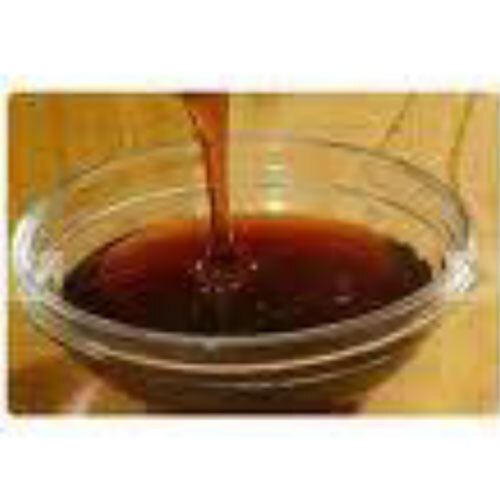
- Clear, transparent liquid
- Autoignition Temperature
- 229 C
- Shelf Life
- 2 years from date of manufacture if properly stored
- Compatibility
- Incompatible with strong oxidizing agents
- Handling Precautions
- Avoid contact with eyes, skin, and clothing; use appropriate PPE
- Packaging
- Available in drums, IBC tanks, and bulk tankers
Di Ethylene Glycol Liquid Trade Information
- Minimum Order Quantity
- 500 Kilograms
- Supply Ability
- 20000 Kilograms Per Month
- Delivery Time
- 3 Days
- Main Domestic Market
- All India
About Di Ethylene Glycol Liquid
The company offers the Di ethylene glycol liquid, which is a well known agricultural product. The liquid is used in the manufacturing of the saturated as well as unsaturated polyester resins. The liquid works as a building block in the synthesis of the organic products. This liquid is easily stored and has been packaged in hygienic material. The chemical, Di ethylene glycol liquid, formed in the laboratory, is additionally a solvent for the nitrocellulose and various oils and dyes.Product details
| Synonyms | DEG |
| Grade Standard | Industrial Grade |
| Packaging Details | 50 litres Drum |
| Purity % | >99% |
Properties and Specifications
Diethylene Glycol Liquid is recognized for its clear appearance, neutral pH, faintly sweet taste, and mild odor. With a minimum purity of 99% and a molecular weight of 106.12 g/mol, DEG ensures high efficiency in industrial processes. Its non-conductive property and compatibility with a wide range of solvents underpin its versatility. However, it is incompatible with strong oxidizing agents and must be stored in well-ventilated, cool, and dry conditions for optimal stability.
Applications and Benefits
DEG is extensively utilized in chemical manufacturing, laboratory research, and as a key ingredient in antifreeze and brake fluid formulas. It functions as a reliable solvent and intermediate, enhancing product formulation and chemical reactions. Its miscibility with water and many organic solvents maximizes compatibility, making it an invaluable asset for industry. Proper handling and usage not only improve industrial efficiency but also ensure workplace safety.
Packaging and Environmental Considerations
Available in drums, IBC tanks, and bulk tankers, DEG accommodates various scale requirements for exporters, manufacturers, and suppliers. Despite its industrial advantages, DEG is harmful to aquatic life in significant quantities, making responsible storage, handling, and disposal essential. Adhering to ecological safety measures promotes environmental protection and regulatory compliance.
FAQ's of Di Ethylene Glycol Liquid:
Q: How should Diethylene Glycol Liquid be safely stored and handled?
A: DEG should be stored in tightly closed containers, kept in a cool, dry, and well-ventilated area away from incompatible substances such as strong oxidizing agents. When handling, always use appropriate personal protective equipment to avoid contact with skin, eyes, and clothing, as DEG is toxic if inhaled, ingested, or absorbed through skin.Q: What are the main industrial applications of Diethylene Glycol Liquid?
A: Diethylene Glycol Liquid serves as a solvent, antifreeze component, and intermediate in the synthesis of other chemicals. It is also commonly used in laboratory research, brake fluid formulations, and various industrial processes due to its compatibility and versatile properties.Q: When does Diethylene Glycol Liquid expire and what is its shelf life?
A: DEG has a shelf life of two years from the date of manufacture, provided it is stored properly in sealed containers under recommended conditions. Always check the label or supplier's documentation for the exact expiry date.Q: Where is Diethylene Glycol Liquid commonly exported and supplied from?
A: DEG is widely exported, manufactured, and supplied from India, catering to global industrial and laboratory markets. It is available through reputable chemical exporters and suppliers in a variety of packaging formats to suit different industry needs.Q: What precautions should be taken during the processing of DEG in industrial environments?
A: While processing DEG, avoid direct contact and inhalation. Operators should wear gloves, goggles, and suitable protective clothing, and ensure the work area is well-ventilated. Any spills should be promptly cleaned, and waste disposed of according to chemical safety guidelines to prevent environmental contamination.Q: How is Diethylene Glycol Liquid beneficial in chemical manufacturing and formulations?
A: DEG's excellent miscibility with water and organic solvents, along with its high purity and stability, make it highly effective as a solvent and chemical intermediate. It enhances reaction efficiency and product quality, providing significant value in industrial manufacturing.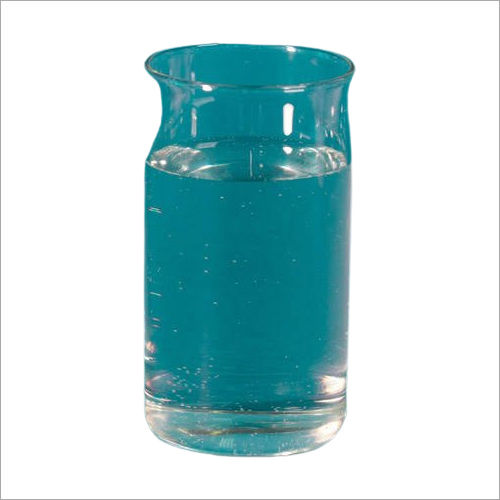
Tell us about your requirement

Price:
Quantity
Select Unit
- 50
- 100
- 200
- 250
- 500
- 1000+
Additional detail
Mobile number
Email

More Products in Industrial Chemical Liquid Category
Wetting Agent ( Chipko)
Price 25 INR / Kilograms
Minimum Order Quantity : 500 Kilograms
Form : Liquid
Type : Wetting Agent
Chemical Name : Mix of essential micronutrients
Grade : Industrial Grade
Polymeric Emulsifier for Nitrobenzene 20%
Price 480 INR / Kilograms
Minimum Order Quantity : 500 Kilograms
Form : Liquid
Type : Polymeric Emulsifier for Nitrobenzene 20%
Chemical Name : Mix of essential micronutrients
Grade : Industrial Grade
Mix Amino Acid Liquid
Price 55 INR / Kilograms
Minimum Order Quantity : 500 Kilograms
Form : Liquid
Type : Mix Amino Acid Liquid
Chemical Name : Mix of essential micronutrients
Grade : Industrial Grade
Mix Amino Acid Liquid 40%
Price 70 INR / Kilograms
Minimum Order Quantity : 500 Kilograms
Form : Liquid
Type : Mix Amino Acid Liquid 40%
Chemical Name : Mix of essential micronutrients
Grade : Industrial Grade



Surya Agritechnology
GST : 23DHJPA2635G1ZS
Contact Details

- LG-4, BM Tower, Agrawal Nagar,Indore - 452001, Madhya Pradesh, India
- Mr. Manas Agrawal (Proprietor)
- Mobile :08045816662
- Send Inquiry
- Direct Number : 919589331099
 Send Inquiry
 Send Inquiry
 Send SMS
Surya Agritechnology
All Rights Reserved.(Terms of Use)
Developed and Managed by Infocom Network Private Limited.
Developed and Managed by Infocom Network Private Limited.
 English
 Spanish
 French
 German
 Italian
 Chinese (Simplified)
 Japanese
 Korean
 Arabic
 Portuguese